Blogs
Blogs
Ranthambore, Rajasthan’s Sawai Madhopur district, is one of India’s most popular wildlife destinations and is especially known for its Bengal tigers, historic fort, lakes and dry deciduous forests. Located close to Sawai Madhopur, Ranthambore National Park offers travellers the opportunity to experience wildlife in its natural surroundings while also exploring the region’s rich history and cultural attractions.
Planning a trip to Ranthambore becomes easier when you know the right time to visit, how to reach the destination, safari options, and important booking requirements. This Ranthambore National Park travel guide covers the essential information you need before planning your wildlife holiday, from transportation and sightseeing to safari planning and local attractions.
For wildlife enthusiasts, a jungle safari is the main highlight of the trip. Travellers can choose between a shared Canter safari and other safari options, depending on availability, budget and booking conditions. Since safari permits and forest operations are regulated by the Forest Department, it is advisable to check availability and complete your Ranthambore safari booking in advance.
If you are travelling from the Pink City, knowing the Jaipur to Ranthambore distance can help you plan your road journey and overall itinerary. Ranthambore can also be included in a longer Rajasthan trip covering Jaipur, Agra and Delhi. Travellers coming from the capital can plan their route by road or rail, making Delhi to Ranthambore travel convenient for a short wildlife getaway.
Safari timings are not fixed throughout the year. Ranthambore safari timings change according to the season, sunrise and sunset, so guests should always follow the timing mentioned on their confirmed safari permit. The Forest Department determines the final operating schedule and safari availability.
Ranthambore is not limited to wildlife alone. History and spirituality are also an important part of the destination. The magnificent Ranthambore Fort overlooks the forest, while the famous Ranthambore Ganesh Ji Mandir, also known as Trinetra Ganesh Temple, attracts devotees throughout the year.
Whether you are planning a short weekend escape, a family holiday, a wildlife photography trip or a Rajasthan circuit, Ranthambore offers a combination of wildlife, history, nature and culture in one destination.
Why Should You Visit Ranthambore?
1. Experience Ranthambore National Park
The biggest attraction is Ranthambore National Park, known for its dry deciduous forests, grasslands, lakes and rocky landscapes. The park is home to Bengal tigers along with leopards, sloth bears, deer, nilgai, crocodiles, monkeys and numerous bird species.
2. Go on a Ranthambore Safari
A Ranthambore safari gives visitors an opportunity to explore the forest through designated safari routes. Safaris are generally conducted in morning and afternoon shifts, with timings changing according to the season.
3. Visit the Historic Ranthambore Fort
Ranthambore Fort stands dramatically above the surrounding forest and dates back to the Chauhan period. Rajasthan Tourism states that the fort was built in the 10th century and contains temples, gates, tanks and massive defensive walls.
The fort is also part of the Hill Forts of Rajasthan UNESCO World Heritage serial property.
4. Visit Ranthambore Ganesh Ji Mandir
The Trinetra Ganesh Temple, popularly known as Ranthambore Ganesh Ji Mandir, is located inside Ranthambore Fort. The temple is an important religious attraction and is especially known for its connection with devotees and wedding-invitation traditions.
5. Combine Wildlife with a Rajasthan Holiday
Ranthambore can easily be combined with Jaipur, Agra and Delhi, making it a popular addition to Rajasthan and Golden Triangle itineraries.
Ranthambore National Park
Ranthambore National Park is the heart of the destination. Its combination of forests, open grasslands, lakes, rocky terrain and historic ruins creates a distinctive safari landscape.
The park is particularly famous for its Bengal tiger population, but wildlife sightings can include leopard, sloth bear, sambar, chital, nilgai, langur, rhesus macaque, crocodile and many species of birds.
One of the most interesting aspects of Ranthambore is that wildlife can be seen against a backdrop of historic structures, lakes and the imposing Ranthambore Fort.
Is Ranthambore National Park worth visiting?
Yes. It is especially suitable for travellers who want to combine a wildlife safari with history and a short Rajasthan getaway. However, a tiger sighting is never guaranteed because wildlife moves freely in its natural habitat.
Ranthambore Safari Guide
A Ranthambore safari is the main experience for most visitors.
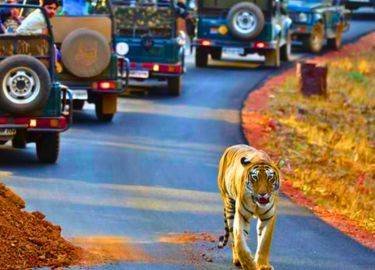
The safari takes visitors through designated forest routes where they may encounter tigers, leopards, deer, sloth bears, crocodiles and birds. Each safari can be different because wildlife movements and forest conditions naturally change.
Ranthambore currently offers safari permits through the Rajasthan Forest Department's online system. The department's website specifically provides an Online Booking/Permit for Ranthambore Tiger Reserve.
Canter Safari in Ranthambore
A Canter safari is a shared open safari vehicle and is a popular choice for travellers looking for a comparatively economical group safari experience.
Current Ranthambore safari information commonly describes the Canter as a larger vehicle with capacity for around 20 visitors, while the smaller Gypsy/Jeep accommodates up to six visitors.
Why choose a Canter Safari?
- Suitable for families and groups
- Generally more budget-friendly than a private Gypsy
- Open vehicle provides good visibility
- Good option for first-time safari visitors
- Suitable for travellers who prefer a shared safari experience
For a budget Ranthambore package, Canter safari is often a practical option.
Ranthambore Safari Timings
One of the most common searches before visiting the park is Ranthambore safari timings.
Safari timings are seasonal and change according to sunrise and sunset. Current published schedules show different morning and afternoon shifts between October and June.
| Period | Morning Safari | Afternoon Safari |
| October | Around 6:30 AM–10:00 AM | Around 2:30 PM–6:00 PM |
| November–January | Around 7:00 AM–10:30 AM | Around 2:00 PM–5:30 PM |
| February–March | Around 6:30 AM–10:00 AM | Around 2:30 PM–6:00 PM |
| April–Mid May | Around 6:00 AM–9:30 AM | Around 3:00 PM–6:30 PM |
| Mid May–June | Around 6:00 AM–9:30 AM | Around 3:30 PM–7:00 PM |
Note: These are indicative seasonal schedules. The Forest Department determines the operational safari timing, so travellers should check the timing shown for their confirmed permit.
Ranthambore Safari Zones
Ranthambore is divided into different safari zones/routes to manage tourism and wildlife movement. Current safari information generally refers to Zones 1 to 10.
Travellers often search for:
- Best Ranthambore safari zone
- Ranthambore Zone 1
- Ranthambore Zone 2
- Ranthambore Zone 3
- Ranthambore Zone 4
- Ranthambore Zone 5
- Ranthambore Zone 6–10
- Which zone is best for tiger sightings?
There is no permanent guarantee that one zone will produce a tiger sighting. Tiger and wildlife movements are natural, and zone allocation depends on the Forest Department's system and availability.
Best approach: Instead of choosing a zone only because it is considered popular online, focus on getting a confirmed safari on your preferred travel date and consider multiple safaris if your schedule allows.
Ranthambore at a Glance
| Information | Details |
| Destination | Ranthambore, Sawai Madhopur, Rajasthan |
| Main Attraction | Ranthambore National Park & Tiger Reserve |
| Famous For | Bengal Tigers, Wildlife Safari, Ranthambore Fort |
| Nearest Town | Sawai Madhopur |
| Nearest Railway Station | Sawai Madhopur Junction |
| Nearest Major Airport | Jaipur International Airport |
| Park Location | Around 14 km from Sawai Madhopur |
| Main Safari Season | October to June |
| Safari Types | Canter and Gypsy/Jeep, subject to availability |
| Safari Sessions | Morning and Afternoon |
| Ideal Trip Duration | 2–3 Days |
| Best For | Wildlife, Families, Couples, Photography, History |
| Famous Temple | Trinetra Ganesh Ji Mandir |
Rajasthan Tourism officially describes Ranthambore National Park as being approximately 14 km from Sawai Madhopur and notes that the park is open from October to June.